
- Home
- Products
- Longwall Chock Carrier
- About Us
- Services
- News
- Blog
- Contact Us
Leave Your Message
-

-
 +86-29-3332 6567
 -

-


-

In the demanding environment of offshore drilling rigs and oil & gas equipment, dust wiper rings serve as the first line of defense against contamination, ensuring the longevity and reliability of hydraulic systems. These specialized sealing components are engineered to withstand extreme conditions including saltwater exposure, high pressure variations, temperature fluctuations, and constant mechanical stress that characterize offshore operations.
Dust wiper rings, also known as scraper seals or excluder seals, are precision-engineered components designed to prevent external contaminants such as dust, dirt, moisture, and debris from entering hydraulic cylinders and pneumatic systems. In offshore drilling applications, where equipment is constantly exposed to harsh marine environments, the performance of these seals directly impacts operational efficiency, safety, and maintenance costs.
The global offshore drilling industry has witnessed significant technological advancement in recent years, with dust wiper rings evolving from simple rubber components to sophisticated multi-material systems incorporating advanced polymers like PTFE (Polytetrafluoroethylene), NBR (Nitrile Butadiene Rubber), PU (Polyurethane), and specialized compounds designed for extreme service conditions. Modern dust wiper rings for offshore applications must meet stringent requirements for chemical resistance, temperature stability, wear resistance, and long-term reliability in corrosive environments.
The offshore oil and gas industry represents a multi-billion dollar global market, with offshore drilling activities accounting for approximately 30% of total oil production and 27% of natural gas production worldwide. As exploration moves into deeper waters and more challenging environments, the demand for high-performance sealing solutions has intensified dramatically.
Market research indicates that the global sealing solutions market for oil and gas applications is projected to reach $3.8 billion by 2027, growing at a CAGR of 4.2%. Within this segment, dust wiper rings and contamination control seals represent a critical and fast-growing category, driven by several key factors:
Dust wiper rings are essential in hydraulic systems controlling drill positioning, blowout preventers (BOPs), pipe handling equipment, and riser tensioning systems. These applications demand seals capable of maintaining performance under extreme pressure differentials and in the presence of drilling fluids, seawater, and hydrocarbon contamination.
On production platforms, wiper rings protect hydraulic cylinders in valve actuators, wellhead equipment, subsea control systems, and material handling machinery. The seals must resist degradation from crude oil, natural gas, production chemicals, and the corrosive marine atmosphere while maintaining sealing integrity over extended service intervals.
Subsea applications represent the most challenging environment for dust wiper rings, with exposure to high hydrostatic pressures, low temperatures, complete saltwater immersion, and limited accessibility for maintenance. Advanced materials and designs are required to ensure reliable performance in subsea manifolds, Christmas trees, and remotely operated vehicle (ROV) systems.
Offshore maintenance equipment including cranes, winches, davits, and hydraulic tools rely on dust wiper rings to protect hydraulic cylinders from the harsh marine environment. These applications benefit from easy-to-install designs and materials that provide consistent performance across varying operating conditions.
The evolution of dust wiper ring materials represents one of the most significant trends in offshore sealing technology. Modern formulations combine multiple polymers to achieve optimal performance characteristics. PTFE-based compounds offer exceptional chemical resistance and low friction, while NBR provides excellent resilience and sealing force. Polyurethane materials deliver superior wear resistance and mechanical strength. Hybrid designs incorporating metal reinforcement elements provide structural stability in high-pressure applications while maintaining the flexibility required for effective sealing.
Nano-technology is increasingly being incorporated into seal materials, with nano-fillers improving mechanical properties, reducing permeability, and enhancing resistance to explosive decompression—a critical failure mode in offshore applications where rapid pressure changes can cause catastrophic seal failure.
The integration of sensor technology into sealing systems represents a paradigm shift in offshore equipment management. Smart dust wiper rings equipped with embedded sensors can monitor wear rates, detect contamination ingress, measure temperature and pressure conditions, and provide real-time data to predictive maintenance systems. This technology enables condition-based maintenance strategies that reduce downtime, optimize component replacement schedules, and prevent catastrophic failures.
Advanced data analytics and machine learning algorithms can process sensor data to predict seal life expectancy with unprecedented accuracy, allowing operators to plan maintenance activities during scheduled downtime rather than responding to unexpected failures.
Environmental considerations are driving innovation in dust wiper ring design and materials. Biodegradable seal materials for certain applications, recyclable components, and designs that minimize fluid leakage are becoming increasingly important. The offshore industry faces strict environmental regulations regarding discharge of hydraulic fluids and lubricants, making high-performance wiper rings essential for compliance.
Manufacturers are also focusing on extending seal service life as a sustainability measure, reducing the frequency of component replacement and associated waste generation. Life cycle assessment (LCA) is becoming a standard evaluation criterion for sealing solutions in offshore applications.
The trend toward customized sealing solutions reflects the increasing complexity and specialization of offshore equipment. Generic seal designs are being replaced by application-specific solutions optimized for particular operating conditions, fluid compatibility requirements, and performance objectives. Advanced simulation tools enable engineers to model seal behavior under specific conditions, optimizing geometry, material selection, and installation parameters before manufacturing.
Modular seal designs that can be easily adapted to different applications while maintaining common manufacturing processes are gaining popularity, offering the benefits of customization with the economics of standardization.
Blowout preventers represent one of the most critical safety systems on offshore drilling rigs, and dust wiper rings play a vital role in maintaining their reliability. BOP hydraulic control systems must function flawlessly under extreme conditions, with wiper rings protecting actuator cylinders from contamination that could compromise emergency response capabilities.
In this application, dust wiper rings must maintain sealing effectiveness across temperature ranges from -20°C to +150°C, resist degradation from hydraulic fluids and well control fluids, withstand pressure spikes exceeding 5,000 psi, and maintain performance over extended periods without maintenance. Failure of a wiper ring in a BOP system could lead to contamination-induced malfunction of critical safety equipment, with potentially catastrophic consequences.
Advanced double-lip wiper designs with integrated backup seals are increasingly specified for BOP applications, providing redundancy and enhanced contamination exclusion. Materials are selected for compatibility with both hydraulic fluids and potential well fluids including hydrogen sulfide, carbon dioxide, and formation water.
Mud pumps are the heart of the drilling operation, circulating drilling fluid through the drill string and back to the surface. The hydraulic systems controlling these pumps operate continuously under severe conditions, making dust wiper ring performance critical to operational continuity.
Drilling mud contains abrasive particles, chemicals, and contaminants that can rapidly degrade sealing systems. Wiper rings in mud pump hydraulic cylinders must provide aggressive wiping action to remove drilling fluid residues while minimizing friction and wear. High-performance polyurethane compounds with enhanced abrasion resistance are typically specified, often in double-wiper configurations to provide staged contamination removal.
The economic impact of wiper ring failure in mud pump systems is significant, as pump downtime directly affects drilling progress. A single day of non-productive time on an offshore rig can cost $500,000 to $1,000,000, making reliable sealing solutions a critical investment.
Marine riser tensioning systems maintain optimal tension on the drilling riser, compensating for vessel motion and ensuring well control. These systems employ large-bore hydraulic cylinders operating continuously throughout drilling operations, with dust wiper rings protecting against the harsh marine environment.
Wiper rings in tensioning systems face unique challenges including large stroke lengths (up to 40 feet), continuous cyclic operation, exposure to seawater spray and atmosphere, and the need for extremely long service life. Seal designs for this application typically incorporate wear-resistant PTFE compounds with elastomeric energizing elements, providing low friction operation with consistent sealing force over extended stroke lengths.
Innovative split-design wiper rings enable installation and replacement without disassembling the cylinder, significantly reducing maintenance time and cost—a critical advantage in offshore operations where access and weather windows are limited.
| Main Market | North America, Western Europe, Eastern Europe, Eastern Asia, Oceania |
| Business Type | Manufacturer, Trading Company |
| No. of Employees | 300~500 |
| Annual Sales | 60,000,000 - 80,000,000 |
| Year Established | 1996 |
| Export p.c | 30% - 40% |
| Customers Served | 100+ |
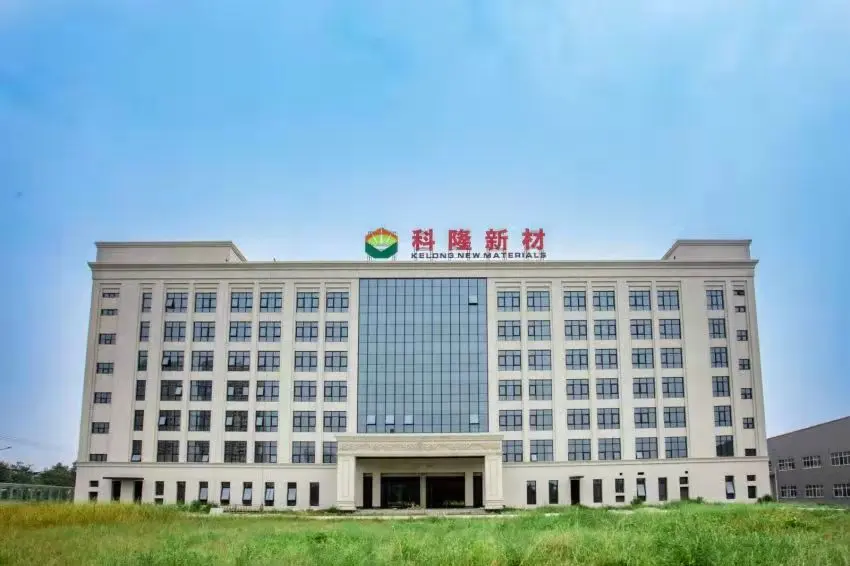
Shaanxi Kelong New Material Technology Co., Ltd. was established in 1996 as a high-tech enterprise integrating R&D, production and sales. The main products are combined sealing products, High Pressure Hydraulic Hose and Longwall Chock Haulers. The products produced are mainly applied for coal mining, metal mining, and also widely used in civil aviation, high-speed railway, wind power, and offshore oil & gas industries.
The sealing products adopt the equipment and production technology of DMH Company in Austria. Our hydraulic hose production base adopts a complete set of equipment imported from Italy, with an annual output of more than 15 million meters of various hydraulic hoses. Our total annual output value exceeds 58 million dollars with more than 500 employees.
We have an independent R&D center to support OEM and ODM projects. The annual R&D investment accounts for more than 5.6% of the total revenue. The main sales markets of our products are Asia, Oceania, Eastern Europe and other regions, with ISO system and IRIS certificates. We look forward to working with offshore drilling and oil & gas industry enterprises and importers worldwide.
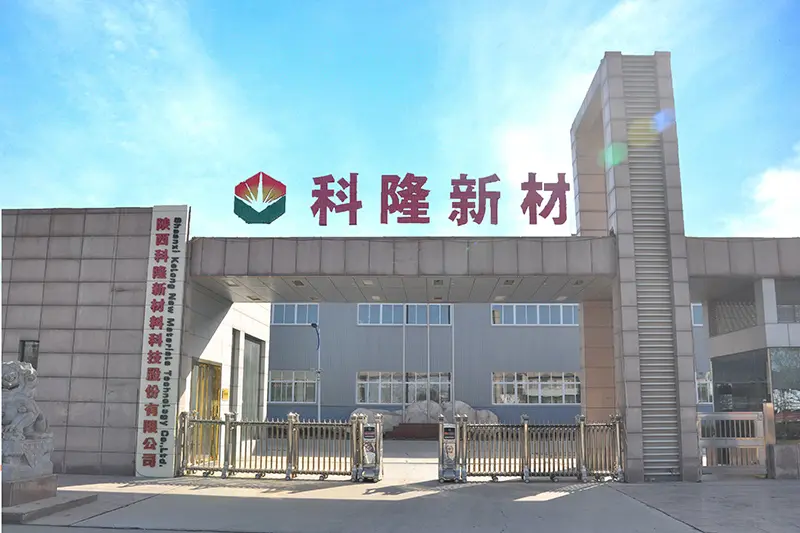
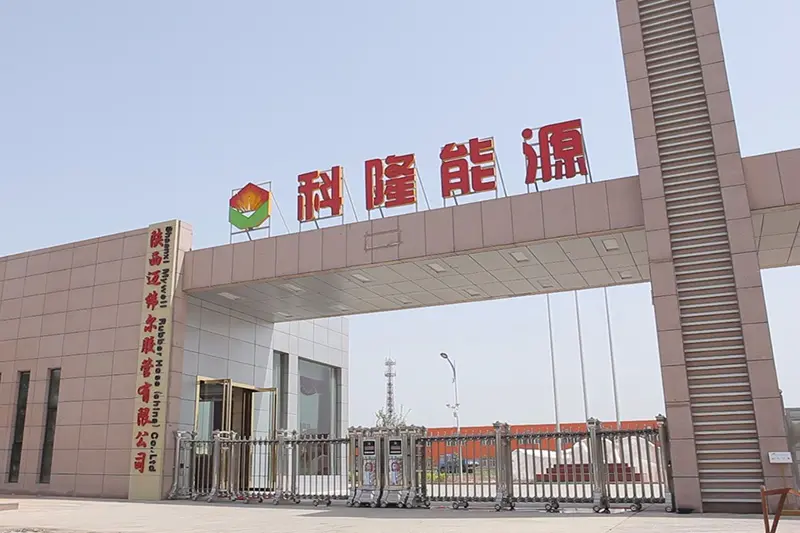
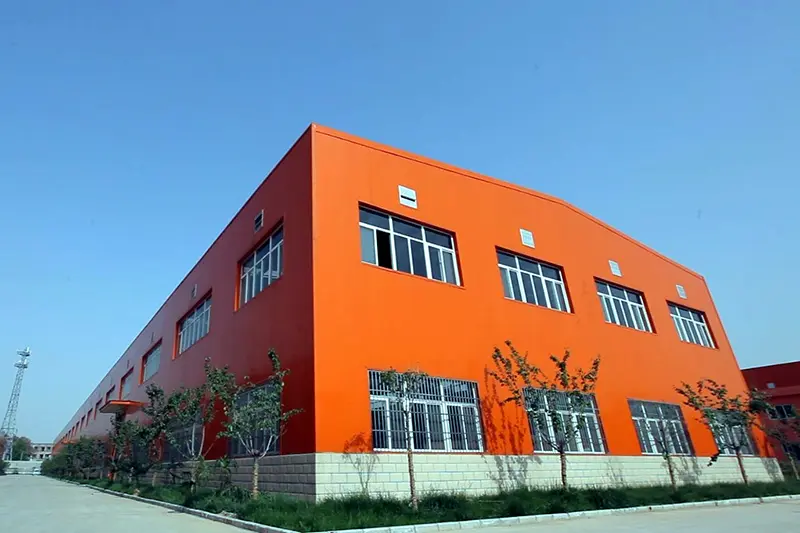
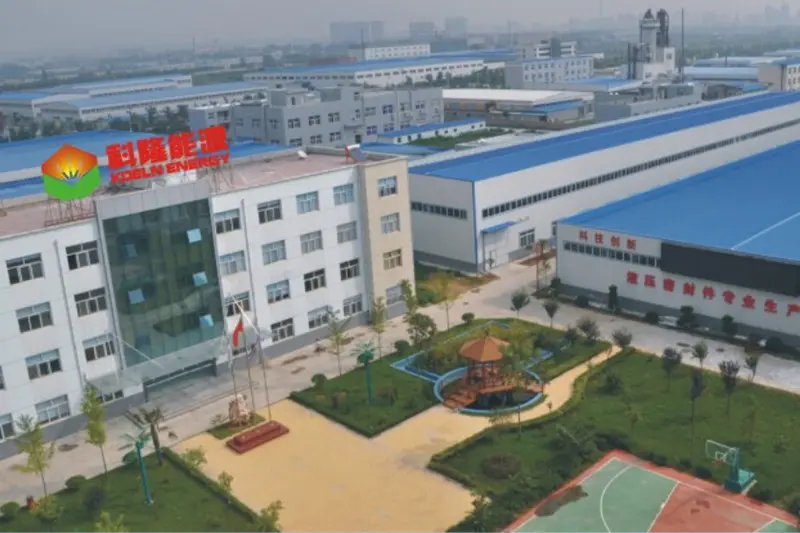
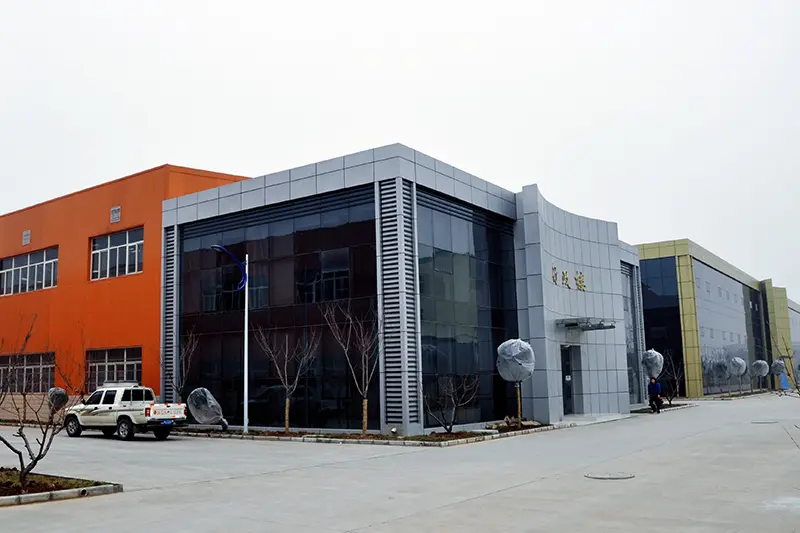
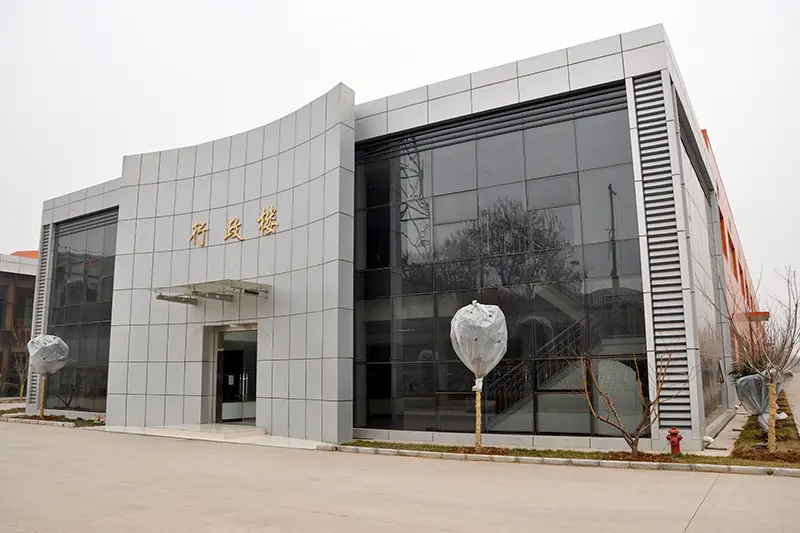
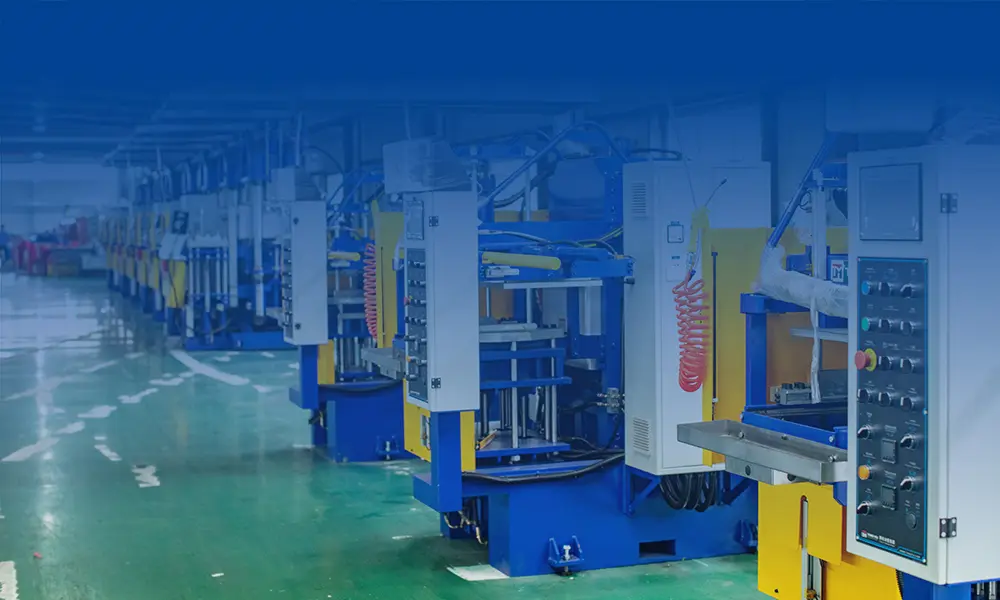
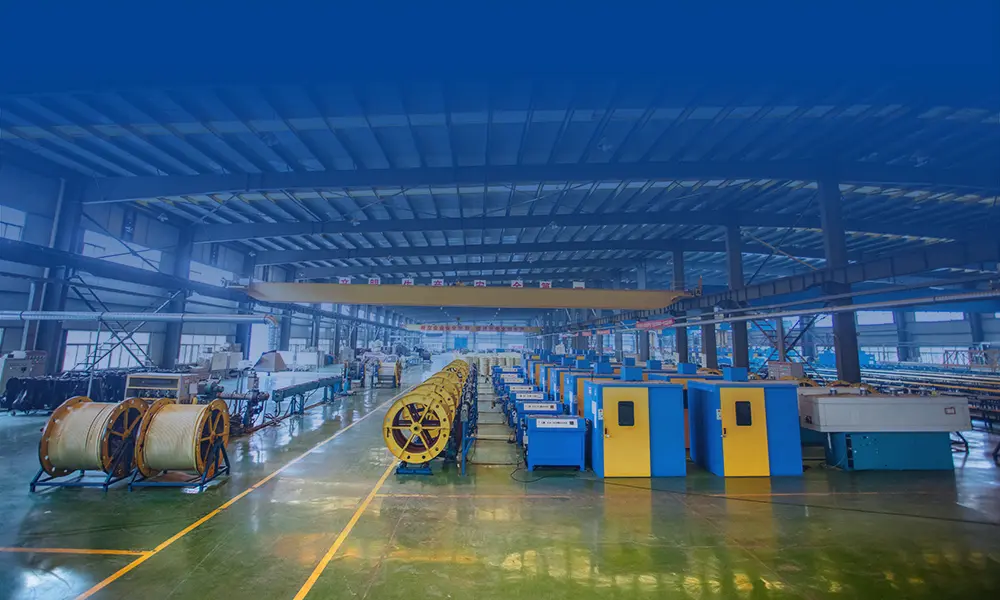
Kelong New Material is a dynamic manufacturer and distributor of sealing solutions, supplying a wide range of standard and customized products and services to the offshore drilling and oil & gas industries. We have our own R&D center and technology center, which can produce customized products according to customers' needs. For different working environments and working conditions, we provide customers with specialized solutions based on technical support.
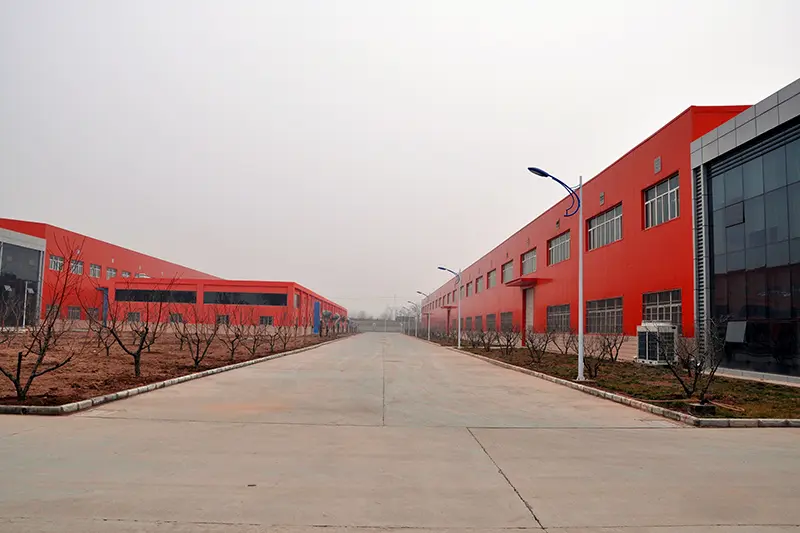
At present, the company's total assets are 600 million RMB, with an annual output value of 300 million RMB. There are more than 400 employees in the company, including nearly 180 engineers and technicians, more than 40% of the total number of college graduates and enterprise R&D personnel accounted for 17.5%. In the past three years, R&D investment accounted for more than 7% of the total income of the year.
The company is the top three in the domestic coal machine sealing industry, and high-pressure rubber hoses and frame-type handling vehicles are expected to enter the top three within two years. The main products share 8% in domestic market. We will focus on technological innovation and continuously improve the technological content of products, so that the company's technology and products are always at the forefront. We sincerely welcome you to visit and cooperate with us to create a brilliant future together!

We take scientific and technological innovation and improve the scientific and technological content of products as our own responsibility, and strive to keep technology and products at the forefront of the industry. We look forward to working with you.
INQUIRY NOW


