




Exploring Underground Mining Equipment for Civil Aviation Ground Support and Maintenance
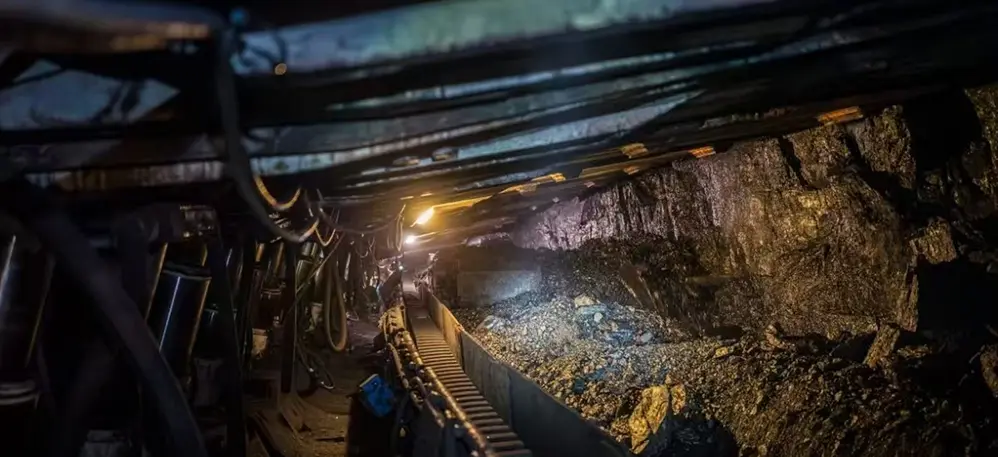
Underground mining equipment traditionally caters to the demanding conditions of subterranean mineral extraction — where ruggedness, reliability, and safety are paramount. However, the integration of such equipment within the realm of civil aviation ground support and maintenance is a burgeoning trend that highlights the evolving versatility and cross-industry applicability of mining technologies.
Civil aviation ground support relies heavily on precision, efficiency, and durability for maintenance work, aircraft servicing, and airport infrastructure management. The use of underground mining equipment in this domain underscores their robustness, adaptability to harsh environments, and capacity for heavy-duty operations necessary in airport maintenance, cargo handling, and even runway construction.
Industrial Context and Market Trends
The civil aviation sector continues its rapid expansion worldwide, driven by increasing passenger travel and cargo demands. Consequently, the requirements for advanced ground support and maintenance solutions have intensified, creating a niche market for specialized, durable equipment that can withstand rigorous usage patterns.
Underground mining machinery, once isolated to mining sites, now finds applications in civil aviation due to its:
- High Load Capacity: Equipment like hydraulic support trucks and shovel loaders originally designed to transport heavy mining materials efficiently support cargo and baggage handling at airports.
- Operational Reliability: Proven longevity and sturdy construction minimize downtime in critical airport servicing operations.
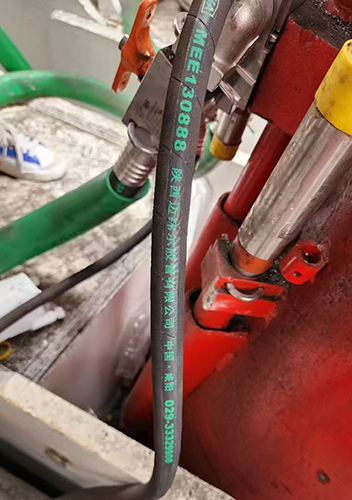
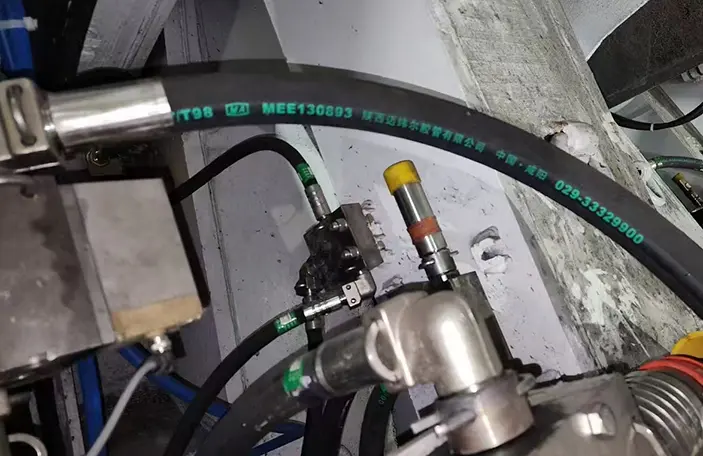
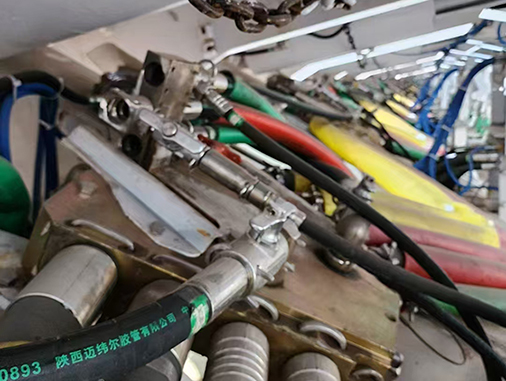
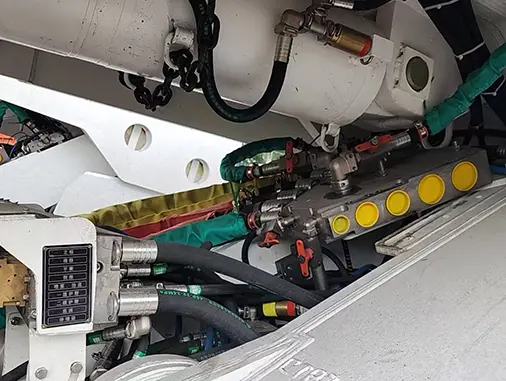
- Advanced Hydraulic Systems: Sophisticated hydraulic piston seals and hose components ensure precision and safety when utilized in aircraft maintenance machinery.
Deeper Application Scenarios
Let’s analyze how specific underground mining equipment adapts to civil aviation applications:
- Diesel Shovel Loaders: Originally for mucking and transporting excavated materials underground, these loaders are repurposed in airports for cargo handling, snow removal on runways, and heavy maintenance tasks, given their maneuverability and power.
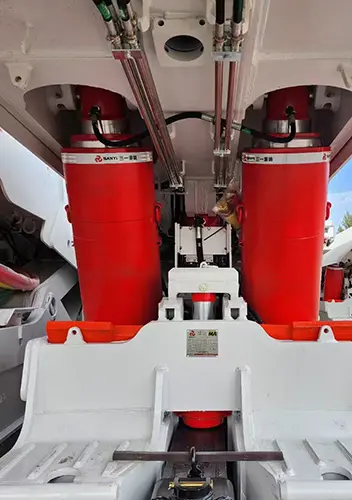
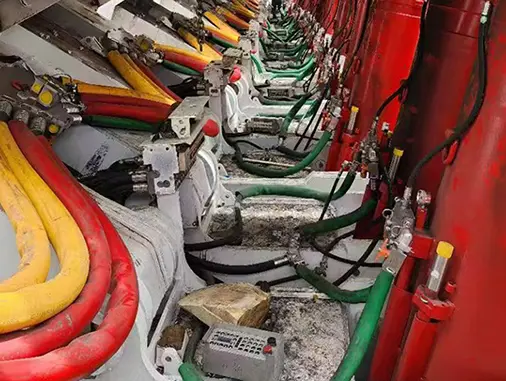
- Hydraulic Support Trucks: Their robust chassis, hydraulic lift capabilities, and strong support mechanisms render them suitable for heavy equipment transport, movable scaffolding, and mobile maintenance platforms in aircraft hangars.
- Longwall Chock Carriers: While designed to secure excavation faces underground through longwall mining, their load-carrying technology is adapted for transporting large, bulky aircraft parts or runway construction materials.
- Specialized Hydraulic Components: Components like PTFE piston guide rings and heavy-duty rod seals ensure the optimal performance of hydraulic cylinders and machinery in airport ground vehicles by reducing friction and enhancing durability.
Technological Innovations and AI Integration
The future of underground mining equipment in civil aviation ground support is oriented toward smart automation and AI-assisted diagnostics:
- Predictive Maintenance: AI-powered sensors embedded in hydraulic systems detect wear and tear early, reducing maintenance costs and prolonging machinery life.
- Autonomous Vehicle Operation: Integration of GPS, Lidar, and AI algorithms allows mining loaders or trucks to operate autonomously on airport grounds, improving safety and operational efficiency.
- Material Optimization: Advanced materials engineering yields lighter but stronger components, optimizing fuel efficiency without sacrificing load capacity or strength.
Market Opportunities and Challenges
As airports seek to modernize infrastructure and reduce operational costs, reusing and adapting underground mining equipment offers a cost-effective and reliable solution. The synergy between mining-grade durability and aviation maintenance precision builds a compelling value proposition.
Yet challenges remain, including:
- The need for tailored modifications to meet aviation safety standards and regulatory demands.
- Training airport ground personnel to operate complex mining-based machinery safely and effectively.
- Ensuring seamless integration with existing airport maintenance workflows and equipment fleets.